
The topic of same-sex marriage in India has become a significant point of discussion in recent years. With growing calls for equality and acceptance, many wonder if it is possible for same-sex couples to legally wed in India. This article explores the current legal landscape, recent developments, and what the future might hold for same-sex marriage in the country.
The Current Legal Framework
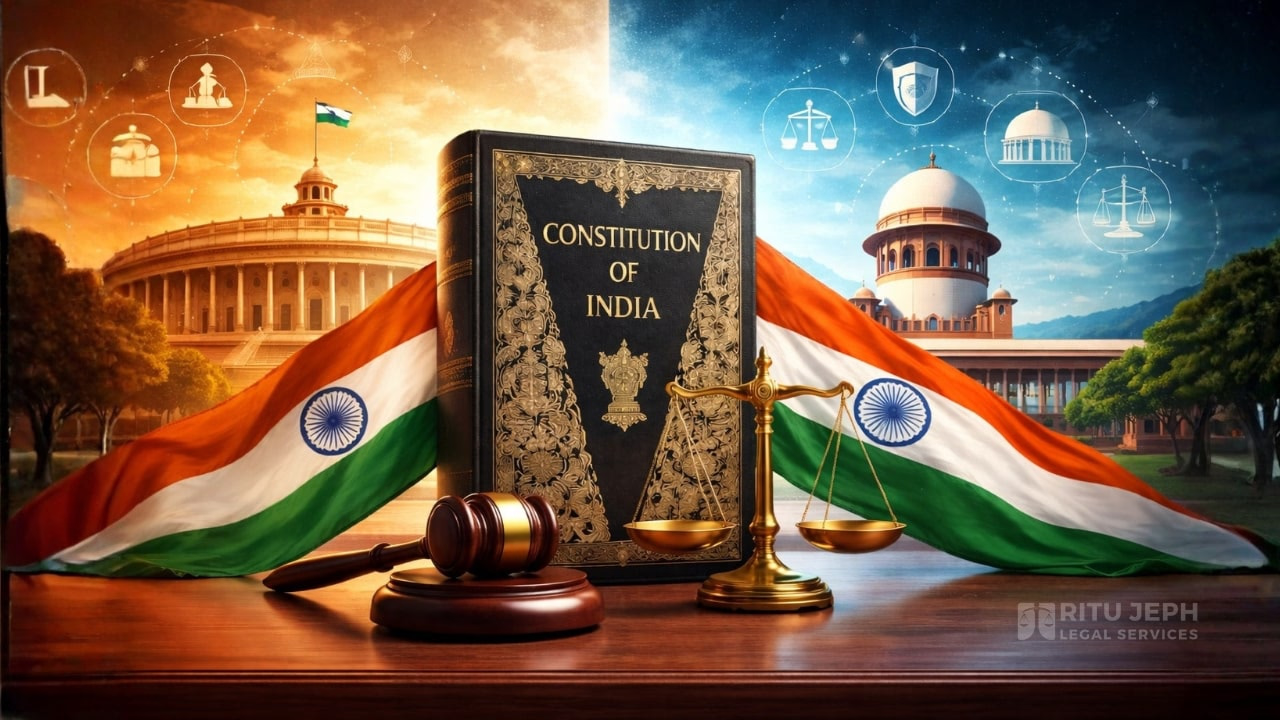
Currently, same-sex marriage is not legally recognized in India. The Indian legal system lacks provisions that allow same-sex couples to marry. The primary legal frameworks governing marriage in India include the Hindu Marriage Act, the Special Marriage Act, and the Indian Christian Marriage Act. Traditionally, these laws are interpreted as allowing unions only between a man and a woman.
A Historic Step Forward
In September 2018, the Supreme Court of India made a landmark decision to decriminalize homosexuality by striking down Section 377 of the Indian Penal Code. This section was a colonial-era law that criminalized consensual same-sex relationships. Its removal was a major victory for the LGBTQ+ community in India. However, this judgment did not address the issue of marriage rights for same-sex couples.
Recent Developments and Court Verdicts
In recent years, several petitions have been filed in Indian courts seeking legal recognition of same-sex marriages. These petitions argue that denying marriage rights to same-sex couples violates their constitutional rights to equality and freedom of expression. However, the Indian government has expressed reluctance to change existing marriage laws.
In 2023, the Supreme Court of India began hearing arguments on a series of petitions seeking to legalize same-sex marriage. The petitions argue that marriage is a fundamental right and that its denial to same-sex couples is discriminatory. The government, however, has maintained that the matter should be decided by Parliament rather than the judiciary.
In June 2023, the Supreme Court delivered a significant verdict that, while not legalizing same-sex marriage, acknowledged the need for greater legal recognition of same-sex relationships. The court emphasized the importance of protecting the rights of individuals in same-sex relationships and urged the government to consider legislative reforms to address issues faced by the LGBTQ+ community.
The Push for Legal Recognition
There is a growing movement advocating for the legalization of same-sex marriage in India. Advocates argue that marriage is a fundamental right and that denying this right to same-sex couples is discriminatory. Legal recognition of same-sex marriage would grant couples the same legal rights and benefits as heterosexual couples, such as inheritance rights, adoption rights, and spousal privileges in medical decisions.
Cultural and Social Considerations
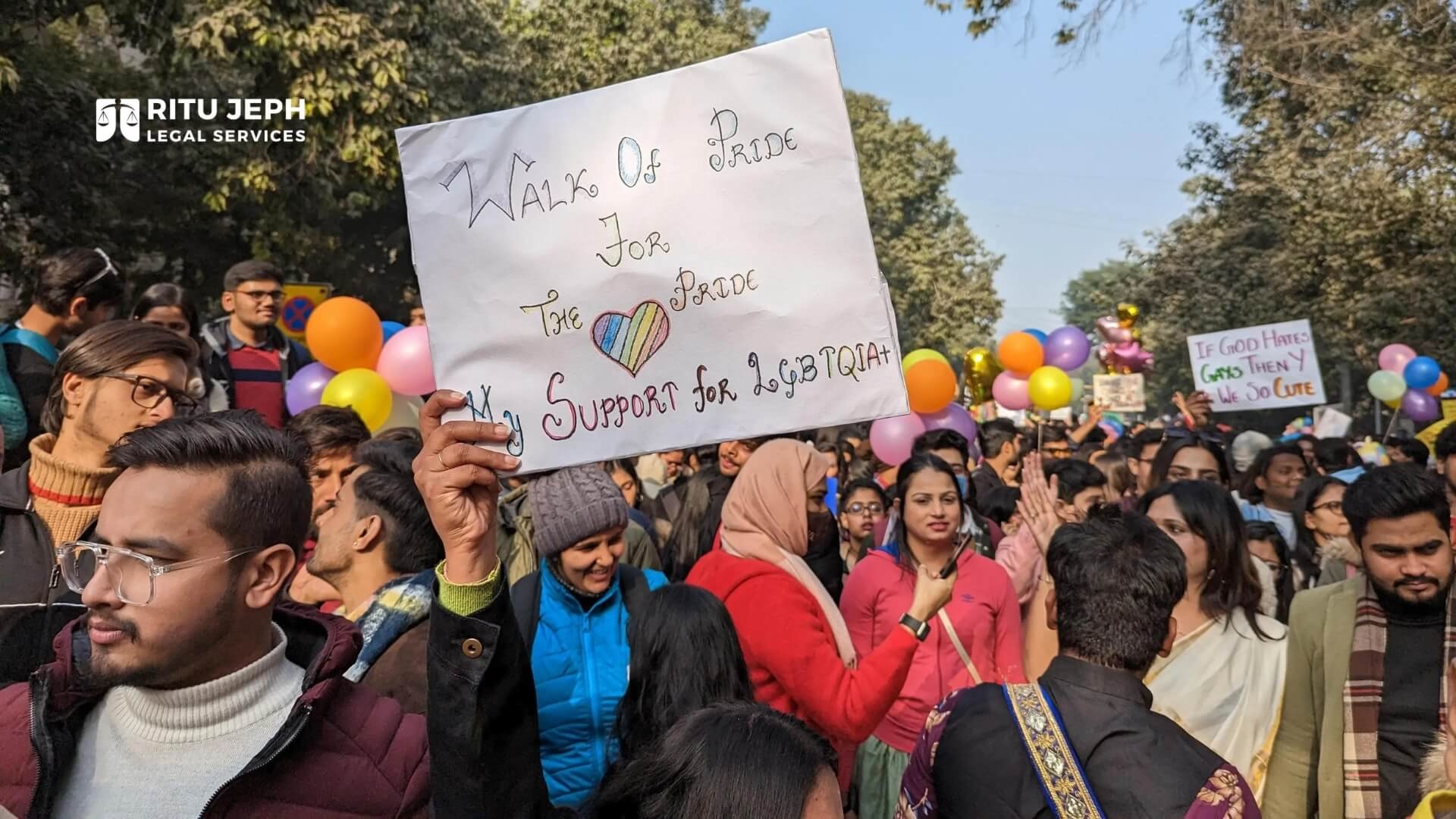
While there is growing support for same-sex marriage, cultural and social challenges persist. India is a diverse country with a wide range of cultural beliefs and traditions, some of which may not readily accept Same-Sex Marriage in India. However, attitudes are gradually changing, especially among the younger generation, who are more open to the idea of marriage equality.
The Role of the Judiciary
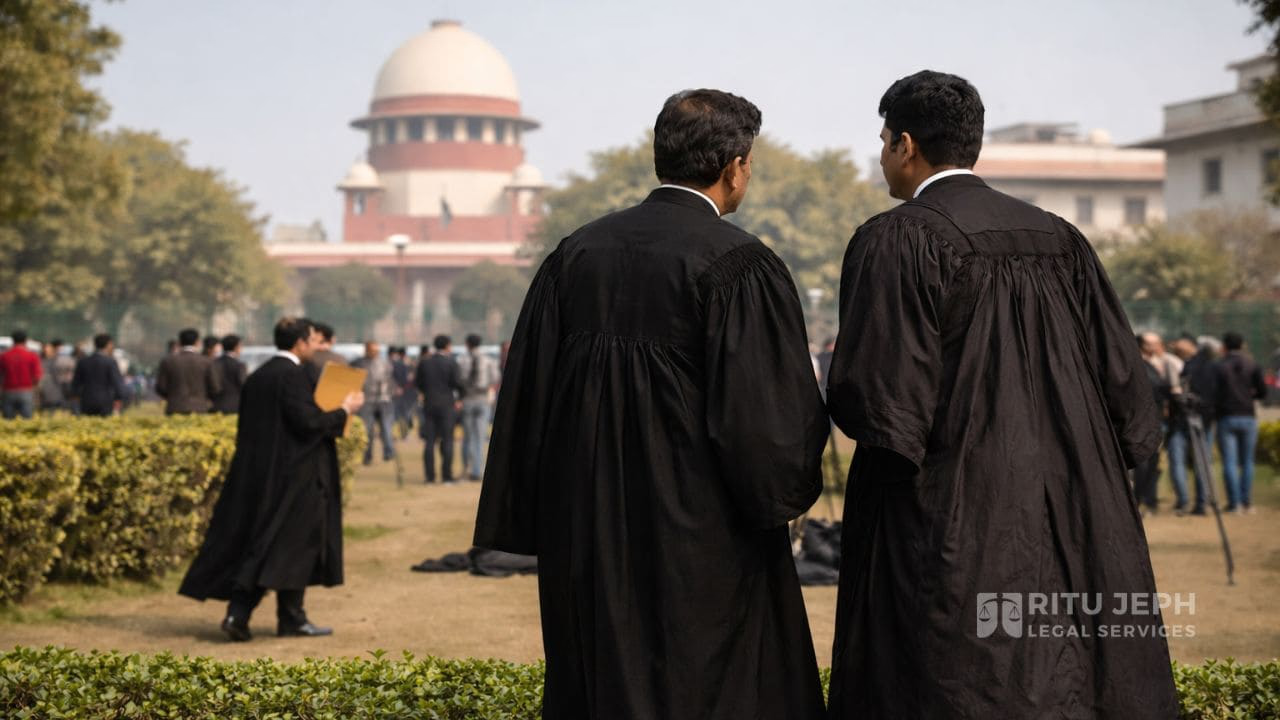
The Indian judiciary has played a crucial role in advancing LGBTQ+ rights in the country. The Supreme Court’s decision to decriminalize homosexuality was a significant step forward, and there is hope that the judiciary will continue to protect the rights of the LGBTQ+ community. The courts have the power to interpret the Constitution and recognize the rights of same-sex couples, even in the absence of legislative changes.
The Path Ahead
The path to legalizing same-sex marriage in India is complex and may take time. It will require a combination of legal, social, and political efforts to bring about change. Public awareness and advocacy are essential to shift societal attitudes and build support for marriage equality.
For same-sex couples in India, the struggle for the right to legally wed continues. The progress made so far offers hope, but there is still a long way to go. Legalizing Same-Sex Marriage in India would not only grant equal rights but also symbolize acceptance and recognition of love in all its forms.
Conclusion
In conclusion, while same-sex marriage is not currently legal in India, there is a growing movement pushing for change. Recent court verdicts and ongoing petitions highlight the increasing momentum for marriage equality. Legal recognition of Same-Sex Marriage in India would mark a significant step towards equality and inclusivity in India.
Share Your Love



Related Posts